Tag Archives: Soy-Free

Top Food Allergens and Sensitivities: Gluten, Casein, Soy and Corn

The top allergenic foods for Americans are: gluten, casein, soy, and corn, as well as eggs, citrus, chocolate, cane sugar, seafood and shellfish, peanuts and nuts.  Today we are going to talk about the top 4.

Food allergies and sensitivities (and their accompanying symptoms) are common in children with autism and they often react poorly to these foods.  Firstly, let’s discuss the difference between a food allergy and food sensitivity.

A FOOD ALLERGY—IgE reaction—is an immediate immune response (sometimes life threatening) that includes symptoms such as a rash, hives, sneezing, or anaphylaxis.

A FOOD SENSITIVITY—IgG reaction—is a delayed immune response that includes chronic symptoms in the areas of inflammation/ pain, digestion, and energy/mood such as: headaches, GI inflammation, gut pain, diarrhea, constipation, hyperactivity, or anxiety to name a few in these areas. Food sensitivities can also trigger asthma attacks, migraine headaches, and eczema.

Because food allergies and sensitivities affect so many bodily systems, reducing them can make a significant difference in how a child feels and behaves. Parents routinely report that when they remove certain problematic foods from their child’s diet, common symptoms improve, like diarrhea and hyperactivity, and that children feel better and have greater capacity to pay attention. Clear of these immune system reactions, they often make big gains in language and other areas of learning and behavior.

The Most Problematic Foods/Substances—Gluten, Casein, Soy, and Corn

Autism parents are becoming familiar with the omission of gluten and casein, two of the most problematic substances in foods for children with autism. Gluten is the protein in wheat, rye, barley, spelt, kamut, and commercial oats, and casein is the protein in dairy. Wheat and dairy sensitivities are commonplace today, and not just with autism. Nine million people have gluten intolerance in the US.

Removal of gluten and casein—the gluten-free and casein-free (GFCF) diet—is one of the most beneficial dietary interventions for autism. In addition to gluten and casein being food sensitivities and inflammatory, these foods can also turn into opiate-like compounds that directly affect the brain. These opiates produce foggy thinking, inattentiveness, irritability, addiction to the food, and constipation—all symptoms of morphine use/addiction. Therefore, you can imagine the enormous benefit most children experience when they remove gluten and/or casein from their diets.

When following a GFCF diet however, people commonly over substitute corn and soy in place of gluten and casein. Note though, that soy and corn are also common food sensitivities, and removal of these foods as well can make a profound difference on health, behavior, and attention for many people.

Soy is broken down in the digestive systems by the same enzyme that digests gluten and casein. It is common for parents to substitute soy for dairy. Soy is inflammatory to the gut, it’s known to inhibit thyroid function, contains strong estrogen compounds, and decreases absorption of calcium, magnesium, zinc and other minerals. For these reasons and more, I recommend avoiding soy whenever possible.

Corn is also a common allergen and food sensitivity. Corn is often substituted in place of gluten in many gluten-free foods and snacks such as: cold cereals, tortilla chips, popcorn, cornstarch, pasta (corn-quinoa), and other snack foods that often use corn or corn flour. In addition you can find corn in: dextrose, xanthan gum, xylitol, ascorbic acid (certain forms of vitamin C), caramel color, citric acid, and natural flavor. If you cannot fully avoid corn, ensure that the corn you do consume is organic, non-gmo corn.

Identifying and removing food sensitivities helps the body heal naturally and can improve digestion, behavior, sleep, rashes, and headaches (to name a few) in children with autism. If you have not started any dietary intervention for a child with autism, I suggest you begin with gluten-free and casein-free. If you have been on GFCF for a while, consider doing an additional trial of soy-free and corn-free and see if you find further healing and benefit.

Dietary intervention for autism requires development over time and identifying and removing food sensitivities are essential to overall effectiveness. While reactions/regressions can come and go, removing these common food sensitivities can help create a new level of consistency that allows you to see how you’ve progressed with diet, what is left to investigate. You may be pleasantly surprised how well everyone feels when you refine the consumption of these foods in your family’s diet.

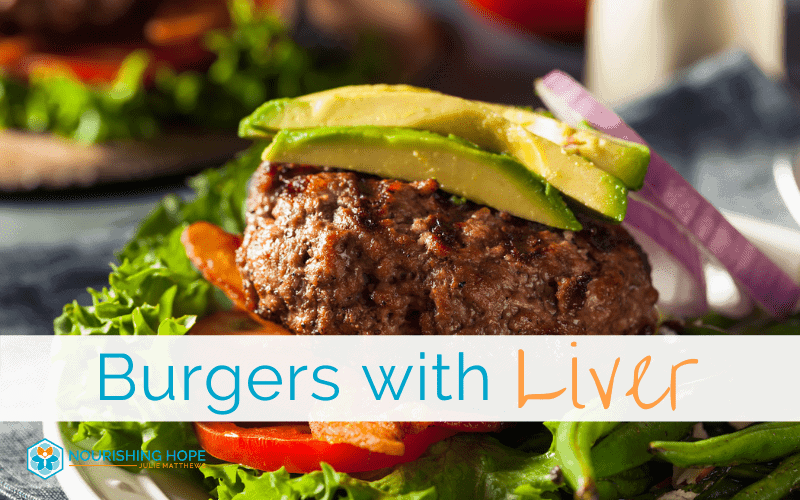
Burgers with Liver (Recipe)

Diet Compliance: GFCF/SCD/LOD/FG/Egg-Free/Nut-Free

Make it FG without herbs and spices except salt.

I know this dish may not sound tasty but these burgers are delicious.  No one will know they are eating liver.  Liver is a medium oxalate but with the high level of iron, vitamins A & C, zinc, etc., I strongly recommend it.

1 lb ground beef

¼-1/3 cup ground liver (put liver in food processor and blend until smooth) about 2-3 oz.  Avoid any liver that is not thoroughly blended

1-2 teaspoons onion powder

Rosemary, white pepper, or other herb or spice (white pepper is lower oxalate)

Salt, dash

Mix together and form into patties.  Cook as usual – in a pan, on the grill, or as desired.

“Buttercream” Frosting (Recipe)

Diet Compliance: GFCF Diet

4 cups (about 1 pound) of powdered sugar

¼ teaspoon salt

1/3 cup ghee, coconut oil, or palm oil

¼ cup non-dairy milk

1 ½ teaspoons vanilla

natural coloring (see below)

Cream ghee or oil in bowl.  Add all additional ingredients to bowl and mix until smooth.  You are ready to frost cake.

If you want to use natural coloring for frosting that is liquid such as juices, hold off on adding milk.  First add 1 tablespoon of juice for color, then add 1 tablespoon of milk or what is needed to bring frosting to desired texture.

Gluten-Free Chocolate Birthday Cake (Recipe)

I created this recipe for my own 40th birthday cake.  I read and studied the chemistry of chocolate (alkali vs non-alkali) and baking powder vs. baking soda) – I learned so much and the cake turned out great!  It is important not to make substitutions to these ingredients or you will change the cake significantly.  And may I say, “This cake is delicious!”  No one at the party knew it was gluten-free, except my gluten-free friends.  :-)

Diet Compliance: GFCF, Soy-Free, Nut-Free

1 cup sorghum flour

¾ cup potato starch

½ cup tapioca starch

½ cup unsweetened cocoa powder (non-alkali)

1 ½ cup sugar (or evaporated cane juice)

1 teaspoon xanthan gum

1 ¼ teaspoon baking soda

½ teaspoon salt

½ cup of oil (melted ghee, sunflower oil, melted palm oil, etc)

2 eggs

2 teaspoons vanilla extract

½ cup non-dairy milk

½ hot water

Preheat oven to 325 degrees.  Grease and flour two 8-inch cake pans.

Combine all dry ingredients in one bowl.  Combine all the wet ingredients except hot water in a separate bowl. Add flour mixture to wet ingredients and mix using an electric mixer or stirring by hand.  Once dry ingredients are incorporated, add hot water and mix thoroughly. You’ll want to work swiftly to get it in the oven so the cake rises properly.  Pour into greased and floured pans.

Bake for 45-55 minutes.  Test cake by poking with a toothpick.  Cake is done when toothpick comes out clean.  Remove from oven and place cake pans on baking rack to cool for 10 minutes.  Then remove from pans and continue to cool on racks.  Once completely cool, frost cake.  (see Buttercream Frosting recipe or use your own).

Original Recipe ~ Created by Julie Matthews

Biomedical Intervention and Diet Recovery Story

A sincere thanks to Generation Rescue for helping so many and working to show parents and physicians that autism is treatable. Kids are recovering. I find this story that has been shared by a parent to be uplifting, educational and empowering. To those that doubt there is hope, I challenge you to listen to other parents at Generation Rescue and TACA.  I recently had the opportunity to share autism diet information with Generation Rescue parents—they have great resources for parents researching biomedical intervention.

In wellness, Julie.

RecoveryButton480

From Generation Rescue…

Recovery Story contributed by Mom of Quinn, age 4:

Two and a half years ago I read the testimonials on this website and wept. I still do when I need a good cry. Those tears were an overflowing of my hope for my son, Quinn, and all children and families with autism. The stories confirmed for me what I knew in my heart: my son will recover from autism.
We’re almost there. Here’s a bit of our story. I hope that it will help you.

I had a normal pregnancy and delivery. I had a flu shot in the second trimester and a high fever in the third, but nothing extraordinary. Quinn was mildly jaundiced at birth and a big baby (10 pounds, and no, it wasn’t a c-section). I nursed him for 3 months, but couldn’t keep it up once I went back to work. His development was all pretty normal for the first year, and he started stimming around 12-15 months, after his MMR.

Quinn was diagnosed right after his second birthday. At his 18 month check up he was not speaking at all, and his pediatrician asked me a lot about it. I was concerned, but convinced that it was because he was getting so much Spanish. Children who are exposed to bilingual environments often have slight speech delays, but when they speak they are able to speak both languages fluently. What I didn’t realize is that he didn’t have any receptive language either. He couldn’t respond to “touch your tummy!” or even really play peek-a-boo. Anyway, at 18 months we left the doctor’s office and I was convinced that we should wait and see — if he wasn’t talking by his birthday, we’d have him assessed for a speech delay. I left with no information about autism or developmental delays at all. He could have been diagnosed at 18 months if only I had known more about autism.

But I didn’t. So he continued to fade away from us. He was sensitive and covered his ears a lot, he retreated into self-stimulatory behavior whenever he could, and he was lost in his own world. It’s so subtle when you don’t know what to look for, isn’t it? A few days before his second birthday, he was still not talking. No words at all. No eye contact at all. No imitation at all. But he was an easy baby, and had very few tantrums. He could entertain himself (i.e. stim on spinning anything and everything) for hours. He was an eloper, and he was oblivious to his peers, but he was generally happy. He was a gentle, sweet baby, and we didn’t realize how lost he was.

I went to the bookstore to look into speech delays, and on a whim, I picked up a book about autism. After reading the first few pages, I knew. I bypassed the doctor and went right to the State Department of Education and referred him myself for the evaluation for autism. Within three long months, he was diagnosed and early intervention services began.

Food. I have learned that food is medicine or food is poison, and there’s not much in between. He lived on cereal, wheat toast, fruit and milk. I remember being so excited when he finally showed some interest in pizza because he was broadening his food options. He could drink over 50 ounces of milk a day! As we researched autism, we found some websites that claimed that wheat and dairy could be contributing to the disorder. I vividly recall the first conversation I had with my husband about this. I was so shocked by the idea that milk could be bad for my son. So I dug deep on the internet and decided that, though I was skeptical, it was certainly worth exploring.

(more…)

Chocolate Chip Cookie Dough Balls (Recipe)

GFCFSF recipe.
To make SCD compliant, use shredded coconut in place of chocolate chips and coat in melted oil and shredded coconut.

1 ½ cups pitted dates
½ cup coconut butter
1 Tablespoons of coconut oil
½ cup GFCF chocolate chips (I prefer Enjoy Life brand, they are also soy-free)

In a food processor, process the dates for a minute or so into a paste

Add the coconut butter.  Pulse a few times to crumble the coconut butter and mix it throughout.

Melt the coconut oil in a small pan, don’t overheat.  It will melt easily.  Turn on the food processor and pour the melted oil through the top allowing the dates and butter to blend into a  smooth paste.

Put mixture into a bowl and stir in chocolate chips by hand.

To roll the balls, pick up a small handful of paste and press it into your hand and roll it into a little ball, less than 1 inch in diameter.  Put the balls on a plate as you roll them.  Place them in an airtight container and store in the refrigerator (in the summer) or a cool spot.


The information provided on this website is for informational purposes only. It is not intended as a substitute for advice from a physician or other health care professional.
Every effort is made to make sure this website is accurate and as up to date as possible.