A Personalized, Strategic Way Forward
Whether you’re just beginning, or have already tried many things and still feel stuck,
Julie explains how to approach food choices and nutrition more strategically for your child.
✓ what to focus on first (instead of trying everything at once)
✓ which simple changes often create the biggest improvements
✓ how to think strategically about your child’s symptoms and needs
✓ why one child improves while another needs a different approach
✓ how to move forward without feeling overwhelmed
During the Nourishing Hope for Healing Kids enrollment period, we’re making this MiniMasterclass available for families considering next steps.
Watch this first before deciding whether this process may be right for your family.
Clinical Experience • Scientific Research • Positive Outcomes
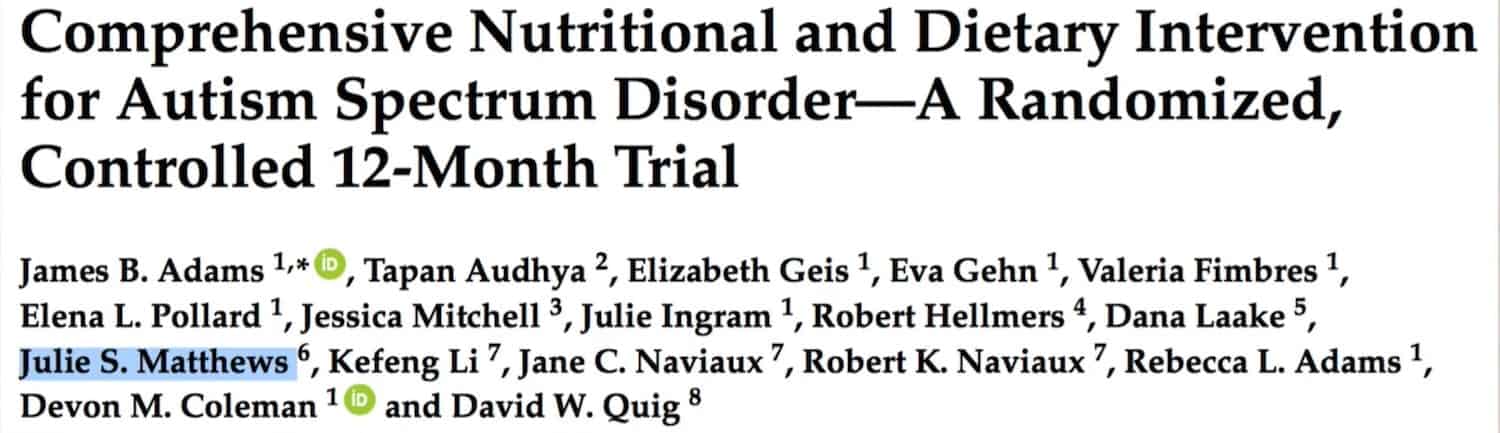
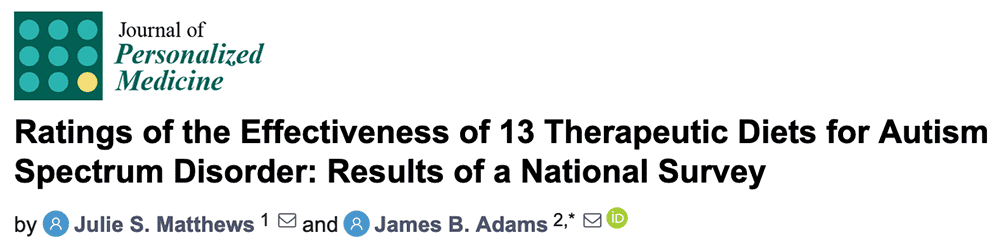
This program and process stems from Julie Matthews’ 25 years of clinical experience with autism and her published “gold standard” scientific research.
Children, adults, and families around the world report remarkable results.
“Ever since we’ve followed Julie’s program, my son’s quality of life has just kept improving.”
– Catherine A.
“This program empowered me to know what to feed my child and precisely why.”
– Myra Young
What parents often say after applying this process
“I’m doing the best for my son”
“It’s possible”
“The best thing I ever did”
Doctors agree…
“Julie Matthews does a masterful job at breaking down the complexities of therapeutic diets. Her knowledge of nutrition for children with autism is truly unique. She is a great asset to my patients and the autism community.”
– Dr. Kurt Woeller, DO
Integrative Medicine Physician
“Julie gives parents the information and strategies to make better nutrition possible; a practical, research-based, step-by-step approach to improving your child’s nutrition and brain function, I encourage you to enroll.”
– Dr. Nicole Beurkens, PhD, CNS
Licensed Psychologist and Board Certified Nutrition Specialist
Questions Parents Often Ask Before They Enroll
- What are the benefits of participating in the program versus following the steps on your own?
- Would the program be good for a 4-year-old autistic child with major food aversions and self limiting diet, or is it better to wait until his diet expands a little more?
- Is it too late? My son is 10 years old, he has ADHD, some stimming, and high functioning autism.
- How long should it take to start seeing results?
- My kids have autoimmune and celiac, will the program help?
- In the program, can we get specialized help about questions for tailoring the diet for our child?
- Are the program sessions online?
How the whole family often benefits
From a mom in the program-
“After dealing with IBS for many years, I learned in the course that I had symptoms that a low FODMAP [one of the diets discussed] could maybe help. I tried it and felt a lot better. I even lost 12 pounds in less than two months. I had been dieting for many years and struggled to lose even a couple of pounds. I plan to continue experimenting with the low FODMAP diet and hope to continue feeling better – finally!”
Another family’s experience:
-
Dad improved facial tics and lost weight.
-
Mom lost weight, clearer skin, regular bowel movements (and for the first time in her life doesn’t have PMS anymore).
-
Sister had better focus, and less anxiety. irritable, and picky eating
Is this right for me?
 Nourishing Hope may be a fit for your family if:
✓ You’re just beginning
✓ You feel overwhelmed by conflicting advice
✓ You’ve tried many things and still feel stuck
✓ You want a thoughtful, step-by-step process
✓ You want guidance while implementing changes
Summer enrollment is currently open
Enrollment for this current group of families closes in:
Day(s)
:
Hour(s)
:
Minute(s)
:
Second(s)
Families around the world are beginning this process together this summer.
Regular tuition: $997
Current one-time enrollment: $597
Includes the complete program, coaching, community, and implementation support.
About Julie Matthews, MS
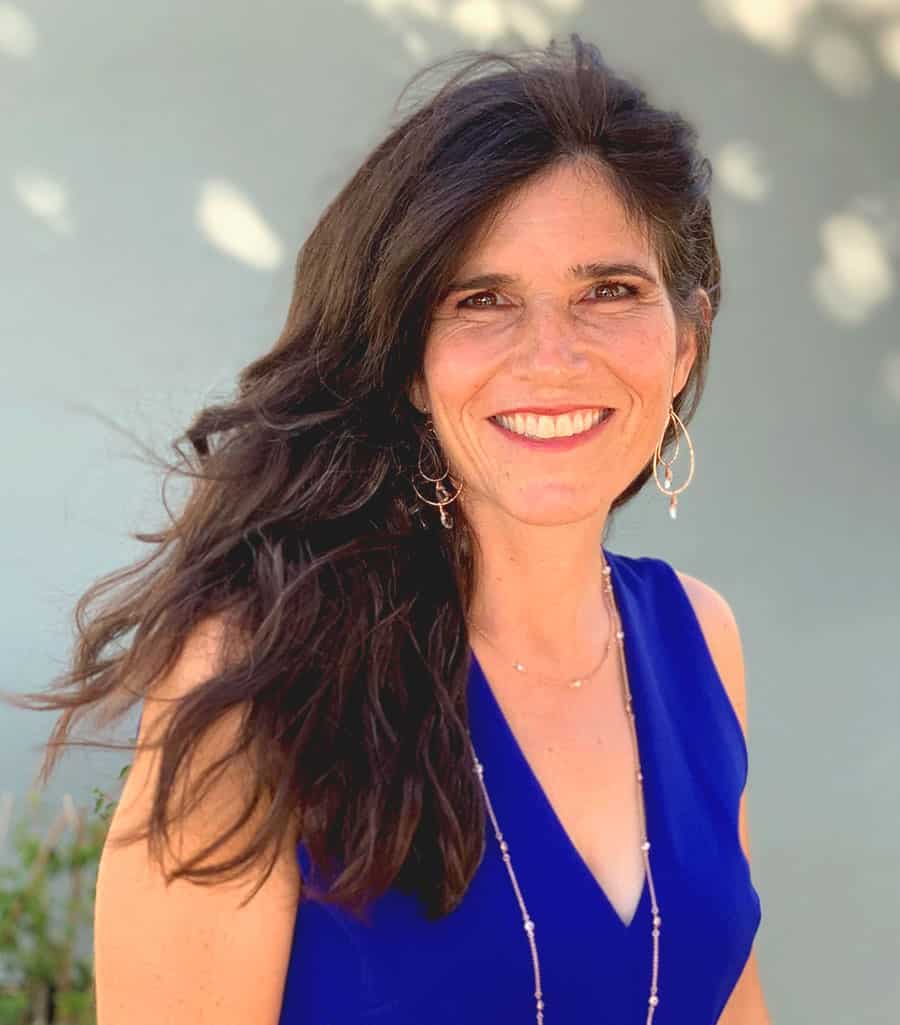
Julie Matthews is a published scientific researcher specializing in autism and related conditions for 25 years. She holds a masters degree in medical nutrition and is the author of the award-winning book, Nourishing Hope for Autism, and co-author of a study supporting the efficacy of nutrition and dietary intervention for autism published in the peer-reviewed journal, Nutrients and The Journal of Personalized Medicine.