Autism & Pediatric Nutrition Essentials
What parents should understand about food, nutrition, and individual biology in autism, ADHD, and related childhood challenges.
EXTENDED ACCESS
Six topics from….
Hosted by Julie Matthews, MS
Autism & Pediatric Nutrition Essentials
Open Access – August 8-16
Part 1:
Julie Matthews, MS:
The Missing Piece: Why Food Is the Most Powerful Tool You Have for Your Child’s Brain, Behavior, and Health.
Elisa Song, MD:
Why Your Child’s Gut Is Driving Their Behavior, Mood, and Focus
Part 2:
Julie Matthews, MS
Why Some Diets Work Better: The Science and Clinical Application of Personalized Nutrition
Albert Mensah, MD
The Biochemistry of Behavior: How Zinc, Copper, Methylation, and Targeted Nutrients Transform Mental Health in Children
Reed Davis, FDN
Stop Guessing: The Lab Tests That Finally Reveal What Your Child’s Body Actually Needs
Part 3:
Julie Matthews, MS:
Using Symptoms to Personalize Diet: What Our Research Reveals About Therapeutic Diets in Autism (+ ADHD and more)
Full Topic and Speaker Line-up from “Autism Nutrition for Real Life”
Part 1:
Julie Matthews, MS:
The Missing Piece: Why Food Is the Most Powerful Tool You Have for Your Child’s Brain, Behavior, and Health.
Elisa Song, MD:
Why Your Child’s Gut Is Driving Their Behavior, Mood, and Focus
Steven Wright:
Why Your Child Reacts to “Healthy” Foods — and What That’s Actually Telling You
Brendan Vermeire:
Brain on Fire -How Neuroinflammation Fuels Behavior, Anxiety, and Developmental Challenges
Evan Brand, CFMP:
Could Hidden Mold Be Making Your Child Sicker? Environmental Toxins and the Brain-Behavior Connection
Nancy O’Hara, MD, MPH:
When Infections Trigger Behavioral Crisis: Understanding PANDAS, PANS, and Immune-Driven Symptoms
Part 2:
Julie Matthews, MS
Why Some Diets Work Better: The Science and Clinical Application of Personalized Nutrition
Bridget Briggs, MD
Your Child’s Genes Are Not Their Destiny: How Methylation Shapes Brain Chemistry, Mood, and Behavior
Kurt Woeller, DO
Why Your Child’s Brain May Be Running on Empty — and How to Restore Cellular Energy
Suzanne Goh, MD
The Pediatric Brain and Mitochondria: How Cellular Energy Affects Your Child’s Development, Learning, and Behavior
Albert Mensah, MD
The Biochemistry of Behavior: How Zinc, Copper, Methylation, and Targeted Nutrients Transform Mental Health in Children
Reed Davis, FDN
Stop Guessing: The Lab Tests That Finally Reveal What Your Child’s Body Actually Needs
Part 3:
Julie Matthews, MS:
Using Symptoms to Personalize Diet: What Our Research Reveals About Therapeutic Diets in Autism (+ ADHD and more)
Trudy Scott, CN:
Calm in 5 Minutes? How Targeted Amino Acids Can Rapidly Reduce Anxiety, OCD, and Aggression in Children
Kiran Krishnan:
What’s Living in Your Child’s Gut Is Affecting Their Brain: Rebuilding the Microbiome for Better Behavior and Health
Silvija Abele, PhD:
How the GAPS Diet Heals the Gut-Brain Connection — and Which Children It Helps Most
Mary Wilde, MD
Treating the Whole Child: Integrative Nutrition Strategies That Calm Anxiety and Improve ADHD in Real Life
🖥 Watch Now
Part 1: Why is this Happening?
Root Causes & The Body-Brain Connection
Explore biological factors that can contribute to a child’s behaviors, challenges, and health issues. Discover how the gut, inflammation, brain chemistry, and environmental factors can form interconnected patterns that, once understood, help symptoms make more sense. Gain a usable framework, not just more information.
Opening remarks from Julie
The Missing Piece: Why Food Is the Most Powerful Tool You Have for Your Child’s Brain, Behavior, and Health
Julie Matthews, MS
Most approaches to autism, ADHD, and anxiety focus on therapies and behavior — while overlooking the one factor that influences every system in the body. Julie explains why the brain is downstream of the body, how nutrition impacts gut health, inflammation, and brain function, and why food is not a side conversation but a central one. This session sets the foundation for understanding your child’s symptoms through a biological lens.
Why Your Child’s Gut Is Driving Their Behavior, Mood, and Focus
Elisa Song, MD
If your child struggles with mood swings, anxiety, focus problems, or behavioral outbursts, the answers may be in their gut — not their brain. Dr. Elisa Song explains the gut-brain axis in clear, practical terms: how the microbiome signals the brain, why gut dysfunction creates neurological symptoms, and what it means for the way you approach your child’s nutrition and health.
Making Sense of It All: The Root Patterns Behind Your Child’s Symptoms
Julie Matthews, MS
After a day of deep, science-rich information, Julie brings it all together. In this closing session, she maps everything you have heard onto five core biological patterns that underlie most symptoms in children with autism, ADHD, and anxiety. By the end, you will understand not just what each speaker covered, but how all of it connects — and what that means for your child specifically.
Part 2: Your Child’s Unique Biology
What the Body and System are Trying to Tell You
Experts explain why genetics, methylation patterns, biochemistry, and cellular energy systems make your child’s needs unique. You’ll learn why one child thrives on a protocol that makes another child worse, and why partial results from diets or supplements you have already tried are clues, not failures. That’s meaningful.
Opening remarks from Julie
Why Some Diets Work Better than Others: The Science and Clinical Application of Personalized Nutrition
*Practitioner-level session
Julie Matthews, MS
Why does one diet help a child partially — but not completely? Julie explains why therapeutic diets can create meaningful improvements but can fall short when they are not matched to the individual. She walks through the key underlying systems — gut, immune, inflammation, and metabolism — and shows how they determine which nutrition approach will work best. This session turns nutrition from trial-and-error into a clear, personalized strategy.
WATCH this 60 second intro first

Why Some Diets Work Better than Others: The Science and Clinical Application of Personalized Nutrition
*Practitioner-level session
Julie Matthews, MS
Why does one diet help a child partially — but not completely? Julie explains why therapeutic diets can create meaningful improvements but can fall short when they are not matched to the individual. She walks through the key underlying systems — gut, immune, inflammation, and metabolism — and shows how they determine which nutrition approach will work best. This session turns nutrition from trial-and-error into a clear, personalized strategy.
WATCH this 60 second intro first

The Biochemistry of Behavior: How Zinc, Copper, Methylation, and Targeted Nutrients Transform Mental Health in Children
Albert Mensah, MD
Why do two children with identical diagnoses respond completely differently to the same treatment? Because their biochemistry is different. Dr. Albert Mensah, co-founder of Mensah Medical and a specialist in advanced nutrient therapy, explains the specific biochemical imbalances — copper overload, zinc deficiency, undermethylation, overmethylation, and pyrrole disorder — that drive anxiety, aggression, OCD, and mood dysregulation in children. This is some of the most clinically specific and immediately applicable content in the entire event.
Stop Guessing: The Lab Tests That Finally Reveal What Your Child’s Body Actually Needs
Reed Davis, FDN
Trial and error is exhausting — for parents and practitioners alike. Reed Davis explains how targeted functional lab testing eliminates the guesswork and reveals the specific metabolic factors driving your child’s symptoms, including gut dysbiosis, oxidative stress, hormone imbalances, food sensitivities, and leaky gut. He walks through the five labs he teaches practitioners to use to get results, and how this data guides a genuinely personalized nutrition plan.
Reading the Clues: How to Find the Right Starting Point for Your Child
Julie Matthews, MS
In this closing session, Julie helps you connect the dots from today’s presentations on methylation, mitochondria, biochemistry, and lab testing. She shows you how to begin translating complex information into a practical starting point for your own child by looking at symptom clues, behavioral patterns, and underlying biological signals. This session is the bridge between understanding and action. And for those who want more structure and support, it also introduces the VIP implementation guide.
See ALL Topics & Speakerst
Part 3: What to Do
First Steps, Fast Wins, and a Plan You Can Follow
Experts will walk you through practical first steps: which gut strategies to prioritize, how amino acids can produce results within minutes, how to rebuild the microbiome, and how to choose the right therapeutic diet approach for your child’s specific needs. By the end of today, you will feel ready. You will know exactly what to do first—and what not to do yet.
Your First 30 Days: Step-by-Step Plan to Real Changes
Julie Matthews, MS
The hardest part of a personalized nutrition approach is not knowing what to do, it’s knowing where to start. In this opening session, Julie cuts through the overwhelm with a clear, week-by-week framework for the first 30 days. No perfection required. No doing everything at once. Just a grounded, practical starting point that creates momentum and gives you a way to measure what is working.
Using Symptoms to Personalize Diet: What Our Research Reveals About Therapeutic Diets in Autism (+ ADHD and more)
Julie Matthews, MS
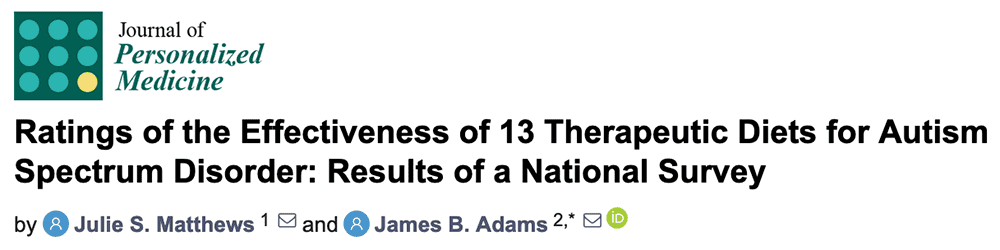
This session shares Julie’s published research with Dr. James Adams on how 13 therapeutic diets improve varied autism. Julie shows how to use symptom patterns as clinical clues—helping you choose the right diet for your child and move beyond trial-and-error toward a more personalized, effective approach.
You Don’t Have to Figure This Out Alone: Your Path Forward
Julie Matthews, MS
Three days of science, clinical insight, and practical guidance — and it is a lot to hold. In this final session, Julie brings it all home. She distills the most important takeaways from the entire event, gives you a clear sense of where to focus first, and offers a direct, honest message to every parent who is exhausted from trying to piece this together alone: there is a path forward, and you do not have to walk it without support. This session introduces the next step for those who want structured, personalized guidance beyond the event.
Bonus Resource: Parents Share Results

Nourishing Hope Families
“Real Parent Experiences:
Personalized Nutrition in Action”
All Speakers & Sessions
15 physicians, researchers, and clinicians.
Three days of science that changes how you see your child’s health.
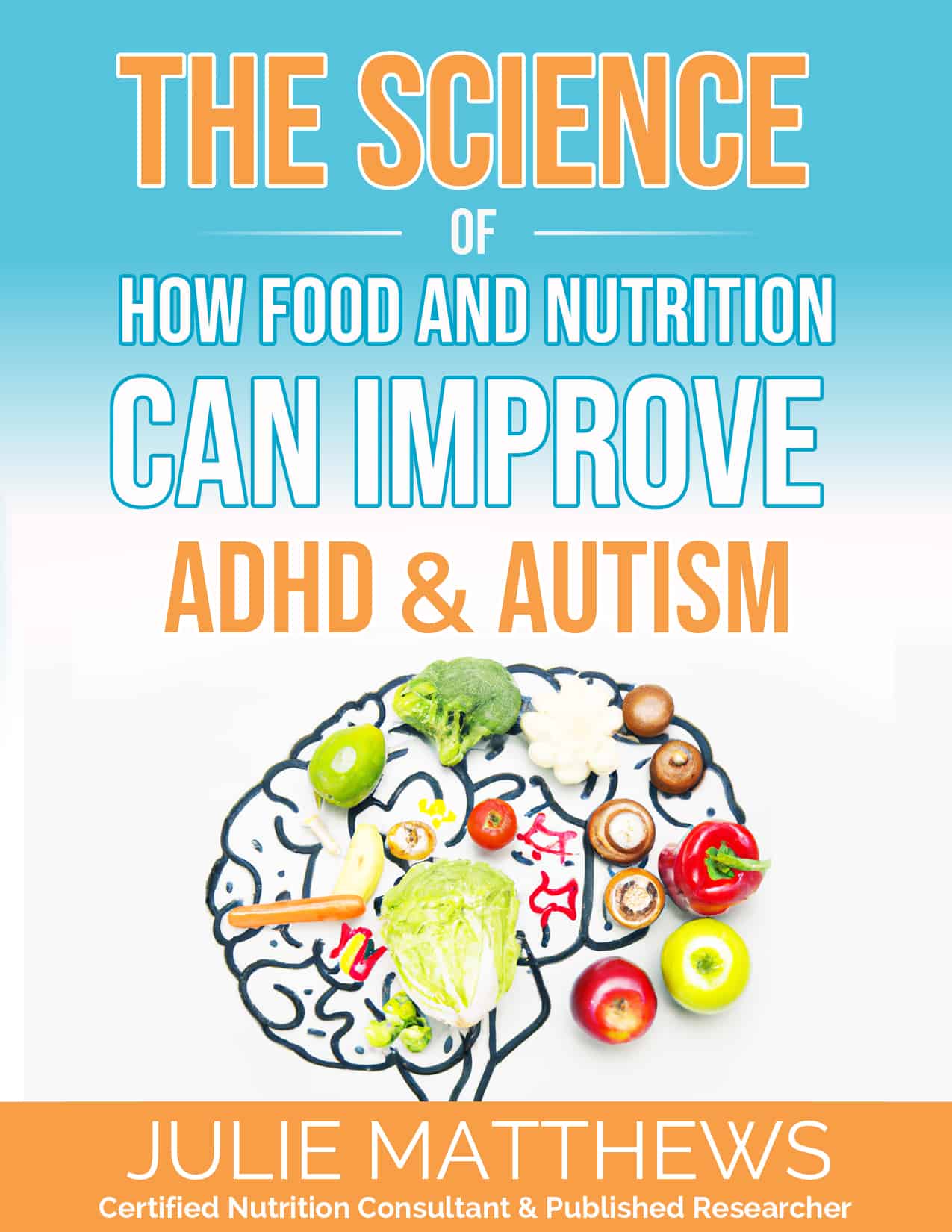
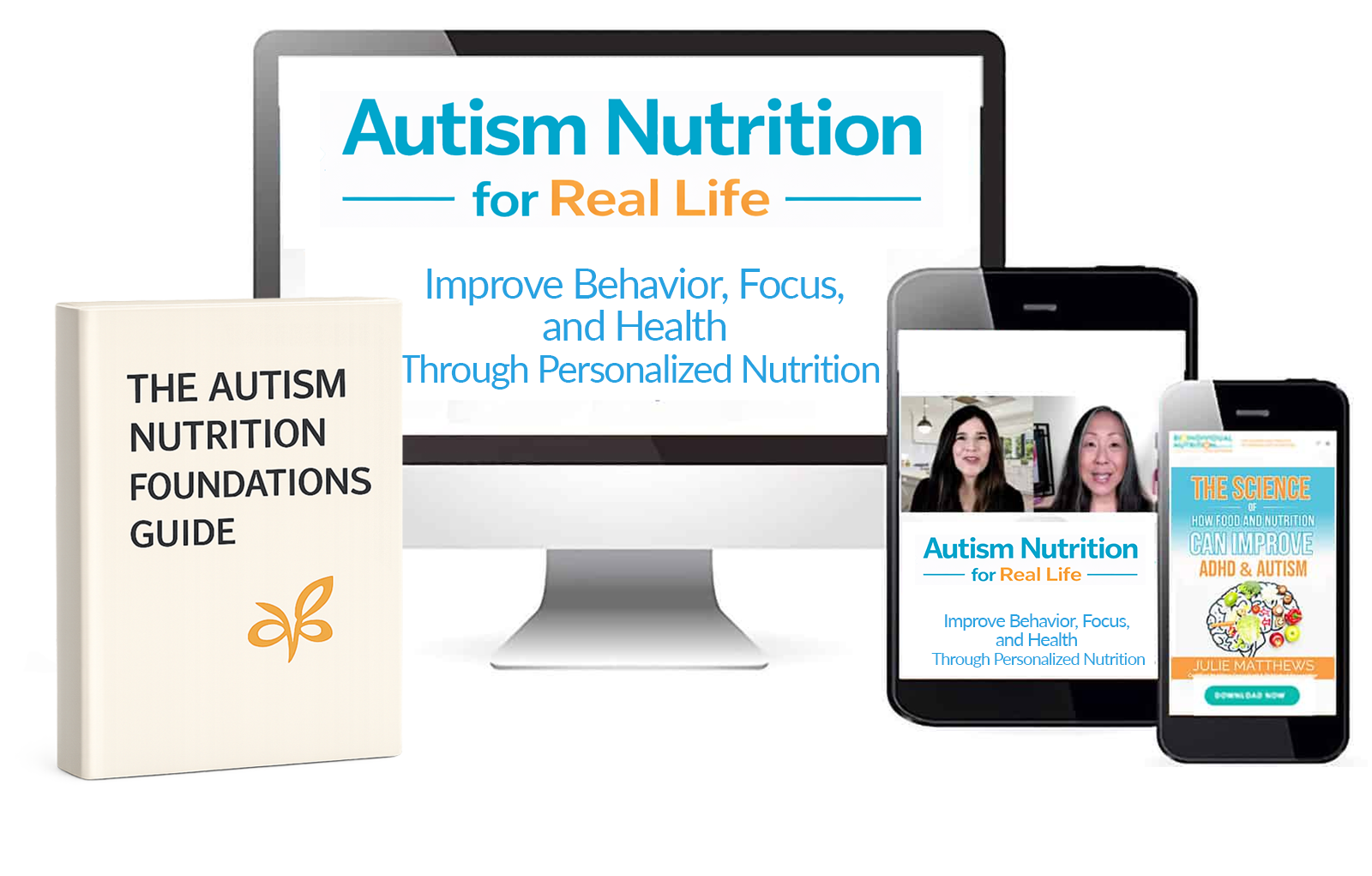
“The Science of How Food and Nutrition
Can Improve ADHD & Autism”
-
The science and biochemistry behind ADHD and autism
-
How & why food, nutrition, and diet affects children
-
5 areas where food affects body & brain (good or bad)
-
What you can do to help right now
-
Scientifically referenced!
Why this knowledge and capability are needed
Your Host: Julie Matthews, MS
Certified Nutrition Consultant | Published Researcher
Author: The Personalized Autism Nutrition Plan & Nourishing Hope for Autism
Founder: Nourishing Hope & BioIndividual Nutrition Institute
Julie Matthews has spent over 25 years at the intersection of science and real-life clinical practice — working directly with families of children with autism, ADHD, anxiety, and related conditions, conducting and publishing research, and training practitioners around the world.
She is the developer of BioIndividual Nutrition, a personalized approach to therapeutic diets and nutrition that has helped thousands of families go beyond generic protocols and find what actually works for their child’s unique biology. Her research has been published in peer-reviewed journals, and her work has been featured by major autism and integrative health organizations worldwide.
She knows what it means to search for answers, to sit with a family who has tried everything, and to find the specific combination of changes that finally moves the needle. That knowledge is the foundation of every session she hosts and every resource she creates.
There is more possible for your child than you’ve been told. That’s what this event empower you to know. Julie
Featured in…