Tag Archives: GFCF

The Science and Healing of Traditional Diets for Autism

While much has been written about the most popular and effective autism diets, GFCF and SCD/GAPS, there’s been little investigation of the tenets of Traditional diets. Throughout history and driven by survival and evolution, the varied human cultures of the world inherently learned which foods and ways of being supported their health. And, there are clear commonalities in the respective traditional diets of our ancestors.

Do the foods that nourished cultures for centuries nourish children today? Are their healing aspects and lessons to be learned?  With our modern industrialized world and the epidemic of autism facing our children, one might wonder if this traditional way of eating is still applicable and appropriate, and if the science is supportive.

From my extensive research and clinical experience, I say yes. I routinely find that the principles and practices of traditional cultures and traditional diets serve as a foundation of a healing diet for autism, bolster the effectiveness of any dietary intervention, and aid healing for children.

Substantive science, research, and common sense support the role of traditional foods in healing autism.  Let’s look at the science and research of autism and the role of traditional foods in healing.

Continue reading my article in the Autism File Magazine (below), and learn about:

  • A new understanding and model of autism
  • Science of the biochemistry of autism
  • How traditional diets and food support and aid healing of the underlying biochemistry and body systems
  • GFCF diet and Specific Carbohydrate Diet/GAPS diet and their link to traditional diets

Julie Matthews is on the Editorial Board of The Autism File Magazine and contributes regularly.  To subscribe to The Autism File visit http://autismfile.com

Photo Credit: snowpea&bokchoi, Flickr May 2, 2011.

How to get Calcium on a Dairy-Free Diet

Calcium-Rich Foods for Casein-Free Diets

Calcium is an important nutrient.  It’s essential for strong bones, as well as supporting muscle contraction, heart function, and neurotransmitter release.

Studies show that children with autism are often deficient in calcium.  There are also studies showing that children with autism on special diets are even more deficient in calcium.  While some might make the case that children with autism shouldn’t be on dairy-free diets, I say, “Make the dairy-free diet healthy and calcium rich.”

For those who say dairy is essential for adequate calcium intake, remember—If someone is unable to digest dairy and unable to absorb the nutrients in the food, it wouldn’t do them any good to eat dairy even though it contains calcium, as they would not be able to absorb it.  Instead, it’s best to avoid dairy and get your calcium from elsewhere.

Here are some foods rich in calcium and how to include them in your family’s diet:

  • Kelp
  • Dulse
  • Kale, collard greens, and other greens (Kale chips are a great option)
  • Almonds and other nuts
  • Sunflower seeds (for nut-free schools)
  • Dried figs
  • Broccoli
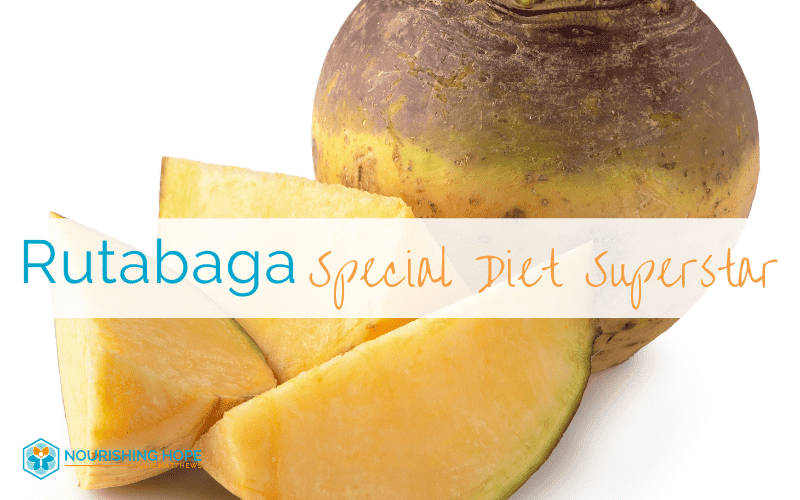
  • Rutabaga
  • Olives
  • Quinoa and amaranth
  • Homemade chicken broth or beef broth (from pastured animals)
  • Canned fish with bones such as sardines or salmon (smash bones and eat with fish)
  • Fortified non-dairy milk

Kelp and dulse you can buy in granulated form and sprinkle it on food, or buy it in strips and add a piece while cooking broth, soups, or grains.  Dulse imparts a bit of a smoky flavor.  Greens are one of my favorite ways to boost the nutrition content of a meal, as greens are not only high in calcium, but also high in folate, iron, vitamin K, magnesium, and more.  Greens can be chopped finely or pureed and added to burgers or meatballs, stews and soups, broth, pasta sauce, any sautéed vegetable dish, and smoothies.  Kale chips are also a wonderful, kid-friendly way to eat greens.

Nuts and seeds eaten whole or as a nut butter are good ways to get these calcium rich foods—spread sunflower seed butter on celery and add raisins or currants for “Ants on a log.” Turkish figs are sugary delights and great for snacking—add the paste to desserts.  Broccoli is a kid’s favorite.  Rutabagas are also high in calcium.  Never cooked rutabagas? They are a good addition to stews or try boiling them and adding them to a sweet potato mash.  Bone broths are also a wonderful source of calcium and can be added to stews as well, or can be cooked down to a more concentrated form and added to meatballs and burgers.

While many people don’t give sardines a chance, you may be surprised to find that your child likes them.  The bones are the part that’s rich in calcium, so be sure to get the canned variety with bones.  They are soft and can be eaten easily (the are nothing like bones in cooked or raw fish).  I loved sardines when I was only five years old—you never know.  Also, canned salmon can be made into “tuna salad” and the bones are easily smashed by a fork and unnoticeable (trust me!).

You can also get calcium from supplementation.  Calcium citrate powder is a common form that can be added to pancakes.

As you follow a special diet, be sure to include calcium rich foods.  It’s an important nutrient, especially with dairy-free diets and is easier than you think.  How do you ensure your kids get enough calcium?

Photo Credit: lowjumpingfrog, Flickr April 26, 2011.

Top Food Allergens and Sensitivities: Gluten, Casein, Soy and Corn

The top allergenic foods for Americans are: gluten, casein, soy, and corn, as well as eggs, citrus, chocolate, cane sugar, seafood and shellfish, peanuts and nuts.  Today we are going to talk about the top 4.

Food allergies and sensitivities (and their accompanying symptoms) are common in children with autism and they often react poorly to these foods.  Firstly, let’s discuss the difference between a food allergy and food sensitivity.

A FOOD ALLERGY—IgE reaction—is an immediate immune response (sometimes life threatening) that includes symptoms such as a rash, hives, sneezing, or anaphylaxis.

A FOOD SENSITIVITY—IgG reaction—is a delayed immune response that includes chronic symptoms in the areas of inflammation/ pain, digestion, and energy/mood such as: headaches, GI inflammation, gut pain, diarrhea, constipation, hyperactivity, or anxiety to name a few in these areas. Food sensitivities can also trigger asthma attacks, migraine headaches, and eczema.

Because food allergies and sensitivities affect so many bodily systems, reducing them can make a significant difference in how a child feels and behaves. Parents routinely report that when they remove certain problematic foods from their child’s diet, common symptoms improve, like diarrhea and hyperactivity, and that children feel better and have greater capacity to pay attention. Clear of these immune system reactions, they often make big gains in language and other areas of learning and behavior.

The Most Problematic Foods/Substances—Gluten, Casein, Soy, and Corn

Autism parents are becoming familiar with the omission of gluten and casein, two of the most problematic substances in foods for children with autism. Gluten is the protein in wheat, rye, barley, spelt, kamut, and commercial oats, and casein is the protein in dairy. Wheat and dairy sensitivities are commonplace today, and not just with autism. Nine million people have gluten intolerance in the US.

Removal of gluten and casein—the gluten-free and casein-free (GFCF) diet—is one of the most beneficial dietary interventions for autism. In addition to gluten and casein being food sensitivities and inflammatory, these foods can also turn into opiate-like compounds that directly affect the brain. These opiates produce foggy thinking, inattentiveness, irritability, addiction to the food, and constipation—all symptoms of morphine use/addiction. Therefore, you can imagine the enormous benefit most children experience when they remove gluten and/or casein from their diets.

When following a GFCF diet however, people commonly over substitute corn and soy in place of gluten and casein. Note though, that soy and corn are also common food sensitivities, and removal of these foods as well can make a profound difference on health, behavior, and attention for many people.

Soy is broken down in the digestive systems by the same enzyme that digests gluten and casein. It is common for parents to substitute soy for dairy. Soy is inflammatory to the gut, it’s known to inhibit thyroid function, contains strong estrogen compounds, and decreases absorption of calcium, magnesium, zinc and other minerals. For these reasons and more, I recommend avoiding soy whenever possible.

Corn is also a common allergen and food sensitivity. Corn is often substituted in place of gluten in many gluten-free foods and snacks such as: cold cereals, tortilla chips, popcorn, cornstarch, pasta (corn-quinoa), and other snack foods that often use corn or corn flour. In addition you can find corn in: dextrose, xanthan gum, xylitol, ascorbic acid (certain forms of vitamin C), caramel color, citric acid, and natural flavor. If you cannot fully avoid corn, ensure that the corn you do consume is organic, non-gmo corn.

Identifying and removing food sensitivities helps the body heal naturally and can improve digestion, behavior, sleep, rashes, and headaches (to name a few) in children with autism. If you have not started any dietary intervention for a child with autism, I suggest you begin with gluten-free and casein-free. If you have been on GFCF for a while, consider doing an additional trial of soy-free and corn-free and see if you find further healing and benefit.

Dietary intervention for autism requires development over time and identifying and removing food sensitivities are essential to overall effectiveness. While reactions/regressions can come and go, removing these common food sensitivities can help create a new level of consistency that allows you to see how you’ve progressed with diet, what is left to investigate. You may be pleasantly surprised how well everyone feels when you refine the consumption of these foods in your family’s diet.

Valentine’s Day Cookies (Recipe)

Here’s a recipe for one of my favorite GFCF holiday cookies.  Use a different cookie cutter and make these for any holiday.  The cut out cookie recipe is from Special Diets for Special Kids and the dye-free frosting is my recipe.

Cut Out Sugar Cookie II (from Special Diets for Special Kids)

1 cup casein-free margarine (I use any combination of palm shortening, ghee, and/or coconut oil)
2/3 cup sugar
1 eff
1 tsp vanilla
2 1/2 cups of gluten-free cookie flour (see below)
1/2 tsp xanthan gum
1/2 tsp salt

Cream margarine with sugar ntil light and fluffy.  Add egg and vanilla and beat.  In a separate bowl, measure out the gluten-free flour mixture, xanthan gum and salt.  With a fork combine dry ingredients until well mixed.  Add to creamed mixture and beat for one minute.  Chill dough for 2-3 hours or overnight.

Preheat oven to 350 degrees and dust a smooth surface with 1-2 tablespoons rice flour.  Roll out dough to 1/8 inch thickness.  You can also roll out half the dough at a time between two sheets of plastic wrap or wax paper.  Cut out shampes with cookie cutter (in this case heart-shaped).  Transfer cookies to lightly greased cookie sheets with a spatula.  Bake 8 minutes.  Cool and frost.

GF Cookie flour
1 cup rice flour 3/4 cup sweet rice flour
1/4 cup arrowroot
1/2 cup potato starch


Frosting

4 cups of powdered cane sugar
1/2 cup of ghee (or 1/4 cup ghee and 1/4 cup coconut oil or 1/2 cup palm shortening)
1/4 cup water
Optional natural pink coloring made from beet juice or steaming water from beets.

Cream ghee/shortening, add sugar and water and cream thoroughly.  Add several drops of beet juice until desired pink color is attained.  If necessary, add a bit more sugar if too wet, or more water if too dry.

Once cookies are baked and thoroughly cooled, spread frosting on cookies to decorate.

News Report of One Family's Experience with GFCF

Frequently I hear objections to the GFCF (gluten-free/casein-free) diet on the basis that it is not “proven.”  I try to explain to individuals on the street and even some of my clients, the positive results of diet as experienced by so many parents.  Just like a picture is worth a thousand words, stories like this are “pictures” of those children – and in my opinion, worth a thousand words.

Here is one such example (video and story below). 

Video from CBS, Fort Worth, Texas

Share your comments regarding your experience with diet for autism with us.

_____________

Special Diet Could Reverse The Effects Of Autism

Reporting
Stephanie Lucero
FORT WORTH (CBS 11 News) ― There is a wide spectrum of autism disorders, each with a wide variety of symptoms. While there is no cure for the disorder, there are ways to recover, including a diet that could actually reverse the effects of autism.

Steve and Gracie Kilpatrick are the parents of an autistic child. When their twins arrived healthy, the proud parents were overjoyed. First smiles and words came soon after. Gracie recalled, "I remember him babbling so much that my nickname for him was Talker, Texas Ranger."

When Noah reached about 15 months old, the babbling stopped and the boy fell silent. The parents started to worry. The boy’s pediatrician asked questions and suggested they delay Noah’s scheduled vaccinations until they had more information.

Gracie said, "I just blurted out to her, ‘Are we just tap dancing around the word ‘autism’ here, doctor?’ And she, fully expecting her to say no, she said yes, that’s exactly it."

"It was devestating," said Steve. "It was the longest flight home I’ve ever had."

The Kilpatricks took this anguish and went on a mission. "The outcome is going to be the very best that we can make happen for this child," Gracie said.

Insurance covered little, but the family had the means to assemble a dream team of doctors, therapists and treatments.

The Kilpatricks opted for a gluten-free and dairy-free diet for Noah. They believe that changing their son’s diet may have played a role in helping their little boy live a more normal life.

"The very first thing we were able to do is get him off dairy," said Steve. "In about seven days, he started making sounds and noises he had not made in six or seven months."

Then, another breakthrough.

"The kids were in the bathtub and I was leaning over the tub, and he just let loose. Totally silent up to this point for months, let loose ‘ya ya ya’ and I just fell back on my haunches," said Gracie.

The changes were not simply in Noah’s speech.

"The therapist ran out into the backyard to tell us what had happened, as if the greatest breakthrough in the world had happened," Gracie said. "He rolled the ball back."

Dr. Seshagiri Rao specializes in treating autistic children. He said that a gluten/cassein-free diet is useful in about one third of his patients who receive an early diagnosis, an alternative diet, a daily regime of vitamins in large doses, behavioral therapy and physical therapy. "Some children can recover completely," Rao said. "Other children can recover to a large extent."

The methods used by the Kilpatricks are not always successful. The key for Noah was an early diagnosis.

The Kilpatricks do not know what triggered Noah’s autism, or why he is now able to function almost like a normal child. They do credit their dream team, however, and their faith, to Noah’s recovery.
(© MMVIII, CBS Broadcasting Inc. All Rights Reserved.)

Jenny McCarthy is Right — Autism Diets Can Help, says Julie Matthews, Certified Nutrition Consultant

Nutrition Consultant and author explains that special diets can help children with autism. There is scientific rationale for nutrition and dietary intervention which parents’ rate as the most effective category of treatment options for autism.

San Francisco, CA (PRWEB) October 11, 2007 — Oprah recently dedicated an entire show to autism featuring celebrity "warrior mom" Jenny McCarthy who encourages parents of children with autism to include special diets in their overall treatment plan. Julie Matthews, author of Nourishing Hope, a book on nutrition and diet for autism says, "Jenny is right! When you focus on getting these kids the nutrients their injured bodies need and avoiding adverse substances and foods, you can help restore health." The Autism Research Institute’s (ARI) ongoing survey of more than 25,500 parents indicates that dietary approaches can foster improvement in their child’s autism symptoms – finding 65% improved on the popular GFCF diet.News Image


while each child is unique and not everyone will respond similarly, the overall benefit of applying diet is well researched and ‘parent proven.’


"Autism diets can help these children for many reasons," Matthews says, among them being that "certain foods cannot be tolerated due to gastrointestinal and immune system challenges that can cause an opiate-like response and/or inflammation and digestive disturbances." These intolerances affect "fogginess" in the brain and physical health.  Correcting these imbalances helps lift the fog and alleviate symptoms, "then attention and health can improve, which aid the effectiveness of learning and behavioral therapies."  Modern day testing can identify challenging foods and substances to direct the approach, as every child’s biochemistry is unique.

Parents of children with autism, as well as practitioners from varied health fields who want to learn more about the treatments, including diet, that Jenny McCarthy talks about can attend the Defeat Autism Now! conference, held in Anaheim, CA October 12-14, where Jenny and Julie will be speaking.  Julie Matthews will be a featured speaker, presenting on the Essentials of Nutrition Intervention for Autism.

Special diets are the "how" of applying a nutrition-focused approach Julie says, "while each child is unique and not everyone will respond similarly, the overall benefit of applying diet is well researched and ‘parent proven.’"  In fact, in the ARI parents’ survey of more than 60 options in three major classes of treatment (drugs, biomedical non-drug therapies, and special diets), special diets rank as the most successful intervention category, with respective diet options ranging from 50-66% showing improvement.

While certain diets are commonly effective, there is no one-size-fits all approach. Matthews states "If one diet lacks effectiveness, there are others to try and adapt.  Different diets serve varied needs to help alleviate symptoms and promote healing. The key is finding and refining a diet that best serves an individual child." 

Nourishing Hope provides a scientific framework for understanding why special diets can help and a holistic approach to getting started with dietary intervention for autism.

For more information contact NourishingHope.com.

About Julie Matthews — Julie Matthews is a Certified Nutrition Consultant specializing in autism spectrum disorder (as well as healthy pregnancy and babies). Her book, Nourishing Hope, and her work are based in extensive research and understanding of the biochemistry of autism and the role of nutrition to restore health. She speaks at national autism conferences, and leads cooking demonstrations on traditional healing foods. Julie has a private nutrition practice and weekly radio show in San Francisco and assists clients from around the world.  See NourishingHope.com

About Nourishing Hope — Nourishing Hope is a compendium of seven years clinical nutrition experience and intense research. It outlines all of the major autism diets including GFCF/gluten-free, casein-free (wheat-and-dairy-free), Specific Carbohydrate Diet, Body Ecology Diet, Feingold Diet, and more.

The book provides a comprehensive understanding of malfunctioning metabolic processes and explains the impact of nutrition on the biochemistry of children with autism. Detailed steps for dietary intervention are included and a roadmap for getting started, evolving, and customizing the varied approaches. The book contains practical insight garnered through parents’ anecdotal experience with nutrition & diet intervention.


The information provided on this website is for informational purposes only. It is not intended as a substitute for advice from a physician or other health care professional.
Every effort is made to make sure this website is accurate and as up to date as possible.